One Year Later: The DREAM Takes Root in The Gambia
One year ago, church leaders across The Gambia gathered for a historic moment—the first-ever DREAM Healthy Church Conference in the nation. More than 1,200 pastors and leaders filled the venue to capacity, united around a shared vision: building healthy churches that mobilize every believer to fulfill the Great Commission.
Today, what began as a one-day gathering is now being lived out in churches across the country.
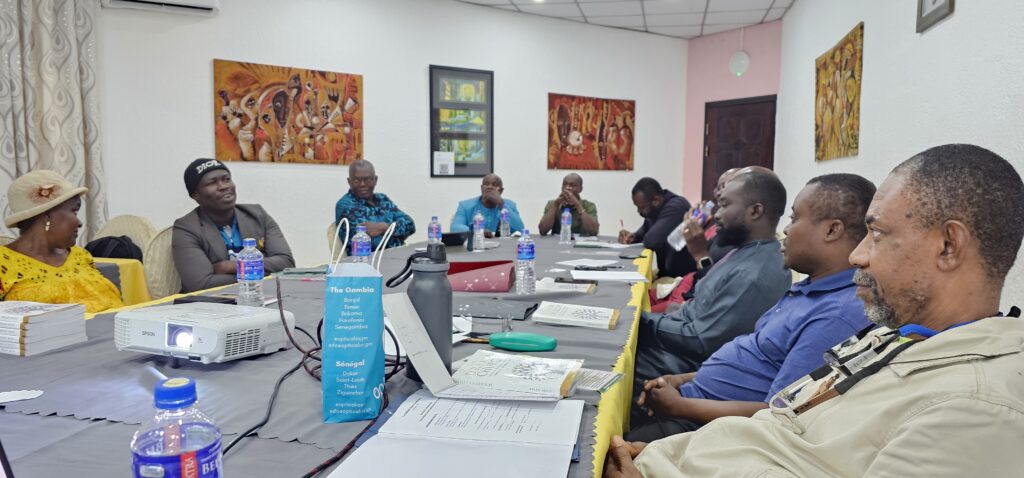
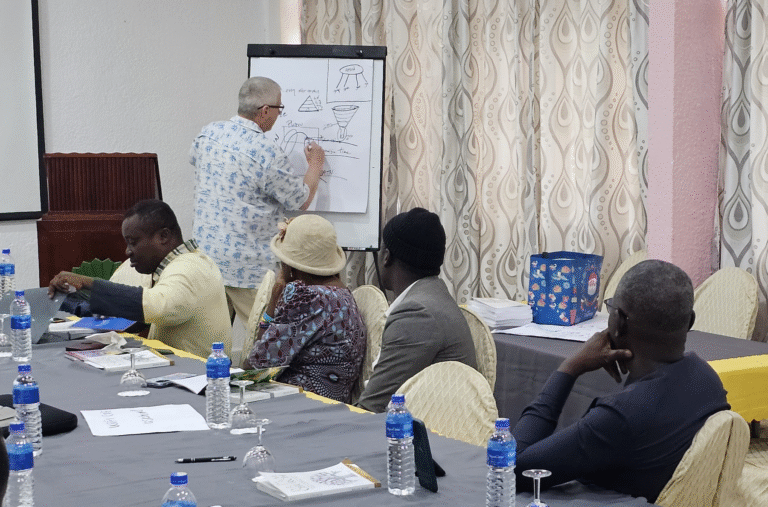
In early February 2026, Pastor Brian Moss of Oak Ridge Church returned to The Gambia for a second in-person coaching intensive, spending 2.5 days walking alongside a committed implementation team of Gambian pastors. This follow-up coaching marked a significant milestone—moving from inspiration to sustained, contextualized implementation of DREAM principles across local churches.
From Conference to Coaching: Deepening the Work
The original national DREAM conference planted a shared language and framework for healthy church ministry. This latest coaching gathering focused on helping pastors translate those principles into real, on-the-ground practices that fit the Gambian context—particularly within a country that is over 90% Muslim and where churches often face social pressure, landlord persecution, and limited resources.
Pastors engaged in honest, vulnerable conversations through tools like the “4 H’s” (Home, Hero, Heartache, Hope), strengthening trust and unity among leaders. Together, they revisited the biblical foundations of the Great Commandment and Great Commission, reinforcing a key conviction: church health and disciple-making cannot be separated from finishing the task.
Installing Systems That Serve the Mission
Much of the coaching centered on helping pastors install systems, not just adopt ideas. Leaders graded their churches across the DREAM framework—Design, Reach, Engage, Activate, Mobilize—gaining clarity on both strengths and gaps.
Key areas of focus included:
- Designing worship services that persecuted and unreached people can engage, including Muslims who may be exploring faith quietly and cautiously.
- Building simple Growth Tracks and small groups, even in churches where these structures have not historically existed.
- Moving people out of the “pew warmer” zone by creating clear pathways to belonging and serving.
- Activating members through SHAPE-based ministry, shifting responsibility from a few leaders to the whole body.
- Mobilizing with a long-term lens, understanding that installing DREAM takes years of faithful, focused effort—not quick fixes.
Pastors shared real progress already underway: churches studying The DREAM book together, members grading their own church ministries, Sunday school classes built around DREAM principles, and staff teams making tangible changes—from hospitality and signage to preaching and assimilation.
A Contextualized Movement, Led from Within
Perhaps most encouraging was this reminder from Pastor Brian to the group: the answers are already in the room. Rather than importing solutions, this movement is being shaped by Gambian leaders, for Gambian churches—adapting DREAM to their culture, challenges, and calling.
Plans are already in place for ongoing peer accountability, regular pioneer pastor gatherings, and shared evaluation—ensuring the work continues long after outside coaching steps back.
Why This Matters for Finishing the Task
One year on, the story in The Gambia is no longer just about a large conference—it’s about sustained discipleship, courageous leadership, and churches being equipped to reach their own people with the gospel.
Healthy churches multiply disciples. Mobilized believers change communities. Together, this is how the Great Commission moves forward—even in hard and overlooked places.
We thank God for what he is doing in The Gambia, and we invite you to keep praying for these pastors and churches as the DREAM continues to take root and bear fruit.