Bridges of Love: Why Good Deeds and Good News Go Together
What if someone experienced the love of Jesus before they ever heard his name?
Maybe a church showed up after a disaster. A neighbor brought groceries during a difficult season. Someone cared for their children, visited them when they were sick, helped them find work, or simply noticed a need that everyone else had overlooked.
Throughout his ministry, Jesus didn’t only tell people about the Kingdom. He showed them what it was like.
He fed the hungry. He healed the sick. He welcomed people others ignored. He stopped for those who were hurting. And he taught his followers to live in a way that would make the character of God visible to the people around them.
“Let your light shine before others, that they may see your good deeds and glorify your Father in heaven” (Matthew 5:16).
That’s why one of Finishing the Task’s Five B goals is Bridges of Love: that every person would experience the love of God through the compassionate actions of a believer.
Love People in Ways They Can See
The Great Commission calls us to go and make disciples of all nations. But the people Jesus sends us to aren’t projects to complete or numbers to count. They are people to love.
And love becomes powerful when it becomes tangible.
Meeting needs, helping, and serving other people is how we show love in practical ways. It is love in action. The Bible says in 1 John, 3:17, “If we have what we need and we see other people in need, but we turn a cold shoulder and we do nothing about it, then the love of God is not in us.”
James also challenges believers not to offer words when someone needs practical help:
“Suppose a brother or a sister is without clothes and daily food. If one of you says to them, ‘Go in peace; keep warm and well fed,’ but does nothing about their physical needs, what good is it?” (James 2:15–16).
Sometimes love looks extraordinary. Often, it doesn’t.
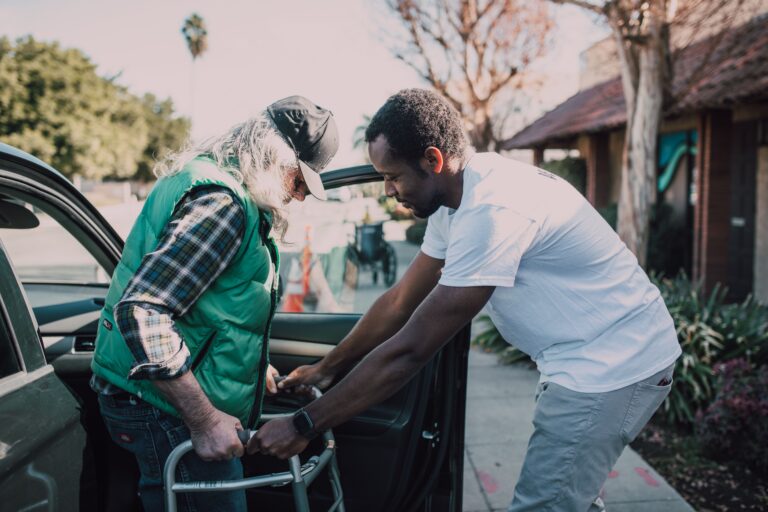
It can look like providing meals for a struggling family. Caring for refugees arriving in a new community. Visiting someone who is lonely. Helping a neighbor repair their home. Supporting a family through a crisis.
The needs will look different in every community. That’s why the Bridges of Love goal isn’t built through a single global program. They’re built when followers of Jesus pay attention to the people God has placed around them and ask a simple question:
How can we demonstrate the love of Jesus here?
Good Deeds Are Not a Substitute for the Good News
Serving people matters whether or not they ever respond to the gospel. Jesus calls us to love our neighbors without conditions.
But Scripture also doesn’t force us to choose between demonstrating God’s love and telling people about it.
Jesus did both.
The early Church did both.
And fulfilling the Great Commission will require us to do both.
A meal can meet someone’s immediate need. A friendship can remind someone that they aren’t forgotten. An act of generosity can challenge what someone believes about Christians, or even about God.
But ultimately, people need to know the source of that love.
Peter tells believers to live good lives among those who don’t believe so that they may “see your good deeds and glorify God” (1 Peter 2:12). Our actions can create credibility, curiosity, and relationship. And those relationships can create opportunities to share why we love in the first place.
Pastor Rick Warren says, “You need to learn how to explain to your neighbor how they can become friends with Jesus. It’s not complicated; it’s just one beggar telling another beggar where to get food. You build a bridge of love between your heart, and you let Jesus walk across.”
Building Bridges, Not Just Meeting Needs
There’s a reason we call this goal Bridges of Love.
A bridge connects people.
The goal isn’t simply to complete an act of service and move on. It’s to build relationships across the barriers that too often keep people apart—differences in culture, religion, language, economics, generation or experience.
That can happen across the world. But it can also happen across the street.
Imagine what could happen if every church and every group of believers began looking intentionally at the unmet needs immediately around them.
What families are struggling?
Who is isolated?
What burden is our community carrying?
Who is already doing good work that we could come alongside?
And where could the unique gifts and resources God has given us make a difference?
The answers will be different in Nairobi, New Delhi, London, and Los Angeles. The principle is the same: start with the people God has placed in front of you.
Everyone, Everywhere
Finishing the Task’s vision is that everyone, everywhere would have an opportunity to know Jesus.
That means everyone needs access to God’s Word. Everyone needs a believer who can share the Good News. Everyone needs access to a body of Christ. Everyone needs someone praying for them by name.
And everyone should have an opportunity to experience the love of Jesus in a tangible way.
These goals aren’t separate from one another.
A bridge of love can lead to a relationship. A relationship can open the door for someone to hear how Jesus has changed a believer’s life. That person can encounter God’s Word, become part of a community of believers and eventually begin showing God’s love to someone else.
That’s how the Great Commission becomes personal.
And it can begin with something as simple as noticing a need and choosing to meet it.
Who around you needs to experience the love of Jesus this week—and what could you do to show them?